
When buying a house or making changes to your current one, it’s worth knowing what things affect resale value. Some things people love or don’t mind about a home are deal-breakers for others. As a real estate agent, I have this conversation often. Whether you’re a buyer touring houses or a homeowner making renovations, here’s what to watch out for:
Busy Roads and Pollution
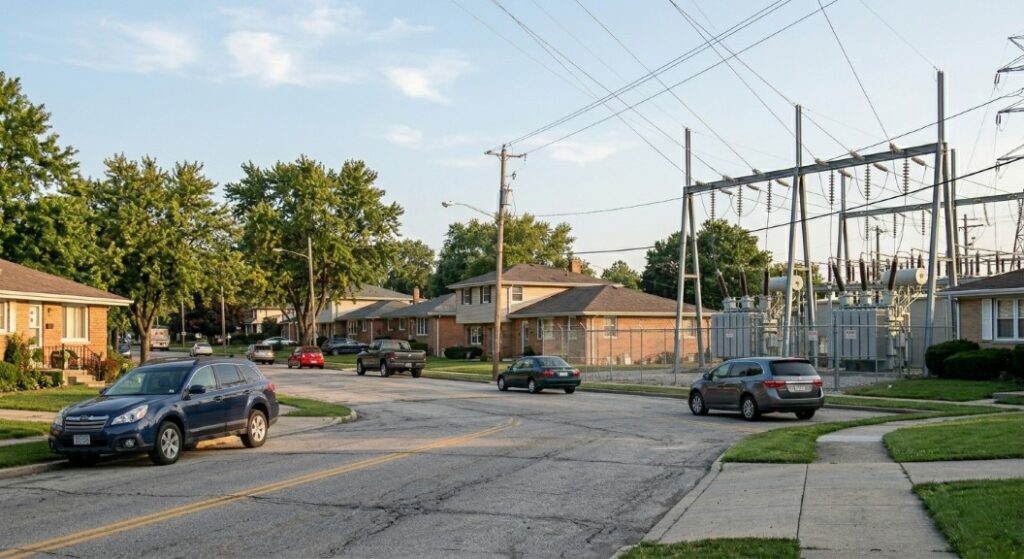
Being located too close to a highway, airport, train tracks, industrial buildings, power stations, or large transmission lines is a concern for many buyers. These aren’t just aesthetic issues; they can affect health, sleep quality, and day-to-day livability. Busy roads are worth calling out specifically. If there’s a double-yellow line running in front of the house, that’s a signal. Getting in and out of the driveway can be a hassle during peak hours, and traffic noise has a way of becoming all you hear once you’ve noticed it. Homes located on busy roads tend to sit on the market longer and/or sell for slightly less than comparable homes just a street or two away.
Nearby Retail, Large Venues, or Schools
The convenience and community of living near these places is a perk for some, but a noisy nuisance for others. A home located one block from a high school might seem great for families, but Friday night football games, daily traffic from school drop-off, and weekend events can be a real turn-off for buyers who value peace and quiet. The same goes for homes near shopping centers, or sports and music venues. Parking, traffic, and late-night activity can all chip away at desirability and also hurt resale value.
Proximity to Dissimilar Properties
Buyers who pay good money for a home in what they expect to be a residential neighborhood can be put off by discovering nearby apartments, townhomes, or a high concentration of rental properties. Consistency of upkeep and the overall “pride of ownership” feel of a neighborhood are both important. When a property lacks continuity with its surroundings, it is a turn-off for some buyers.
Functional Obsolescence
Functional obsolescence describes structural or floorplan features of a home that make it less desirable to modern buyers, regardless of its overall condition. In the Kansas City market, buyers generally expect a garage and a basement, and a house missing one or both will always be a tougher sell. Have you ever toured a home with a “conversation pit” in the living room? If not, look it up!
Other common examples include bedrooms only accessible through another bedroom, a single bathroom in a multi-bedroom home, or a one-car garage on a house that warrants two. These aren’t deal-breakers for everyone, but they shrink your buyer pool, and fewer buyers will almost always hurt resale value.
Modifying or Removing Key Spaces
This one surprises a lot of homeowners. The logic seems reasonable: improving or expanding a space should add value, right? Not always. When a modification means losing something buyers actively look for, it can hurt more than it helps.
Garage conversions are often done without permits, lack proper insulation or HVAC, and don’t meet code, which creates problems during inspection and appraisal. Beyond that, most buyers really want a garage and will filter out houses that don’t have one before they ever see the listing. Not all square footage is created equal.
The same logic applies to combining bedrooms. Converting a three-bedroom home into a two-bedroom with a larger primary suite might sound appealing, but dropping your bedroom count can put you into a lower price bracket entirely, regardless of how nice the suite is. There are rare examples where this does add value, but proceed with caution.
Overly Specific or Odd Design Choices
Personalization is one of the joys of homeownership, but some choices can hurt resale value down the road. We’re talking about things like bold or unconventional paint colors throughout the house, highly themed rooms (a full sports-team man cave, especially with Broncos or Raiders colors), aggressively-patterned wallpaper, unusual flooring choices, or layouts that were modified to suit a very specific lifestyle. Buyers tend to walk into a home and try to picture themselves living there. The harder you make that, the fewer offers you’ll see. The fix is usually just paint and some neutral staging, but perception matters, and first impressions stick.
“Bad Guys” Nearby
Most cities in the KC Metro have online crime maps and offender registries that potential buyers actively check when home shopping. What they find can certainly be a deal-breaker. Unfortunately, there’s not much a seller can do about it other than be upfront and price accordingly. It’s worth being aware of your local crime data before you list, so you’re not blindsided by buyer hesitation during negotiations.
In Closing
These are some of the most common things that can hurt resale value; some obvious, some not. The good news is that knowing about them puts you ahead of most sellers and buyers. When in doubt, ask your trusted real estate agent before making a big change to your home or submitting an offer on someone else’s.
Justin Rollheiser – Real Estate Agent
REALTOR®
Keller Williams Realty Diamond Partners, Inc.
13671 S Mur-Len St, Olathe, KS 66062
Cell 913-800-7653
Office 913-322-7500
www.JustinRollheiser.com
Comments or Questions?