
You worked hard getting your house ready to sell. You made it through countless showings. And finally, you accepted an offer. Great news! However, now that the buyer has finished their inspections, they’re asking to renegotiate. How you handle this part of the transaction can either make or break the sale and can certainly affect your bottom line.
Here’s how the negotiation phase works in the standard Kansas City Regional Association of REALTORS® (KCRAR) contract, what local buyers tend to flag, and how to respond without losing the deal or giving away more than you have to. Remember, everything is negotiable, but it’s important to know the difference between legitimate issues and when buyers are being unreasonable.
The 10-Day Inspection Window
The Inspection Period provides the buyer an opportunity to have independent inspectors look at the house. The length of the inspection period is negotiable, but 10 days is the default. Assuming most inspectors are booked up a few days in advance, it may take some time just to get them into the house. Once there, the inspector may identify issues worthy of further investigation by a more qualified specialist (roofer, engineer, HVAC tech, etc). While 10 days is the default, prepared and motivated buyers sometimes offer a shorter window, or waive inspections entirely (this might not be the win you think it is…see How to NOT Get Sued When Selling Your House).
In addition to inspecting the house itself, buyers also use this time to finalize their research on things like the property’s insurability, zoning, HOA restrictions, crime maps and offender registries.
A few things worth knowing as a seller:
- Silence can work in your favor. Sellers might be tempted to ask for updates during inspections, but sometimes patience is best. If the buyer doesn’t notify you of unacceptable conditions before the Inspection Period expires, they’ve waived their right to cancel or renegotiate over inspection issues.
- You’re on the hook for access. Buyers are entitled to reasonable access to the property for inspections and re-inspections. Restricting access can be a breach of contract. This can lead to cancellations or extending the inspection period.
- Wood-destroying insects are a separate, near-mandatory item. If a certified pest inspector’s report shows active or past untreated infestation, you’re often obligated to pay for treatment. This default stipulation is a carryover from when many lenders required termite inspections. One-time treatments are relatively affordable and usually worth it to protect the house and keep the deal on track.
Common Deal Breakers For Kansas City Buyers
Everyone’s standards are different, and a lot depends on whether it’s a buyer’s or seller’s market. Generally, buyers paying a retail price expect a home to be free of imminent safety issues or big-ticket repair items. Here are the most common deal breakers I see during inspections:
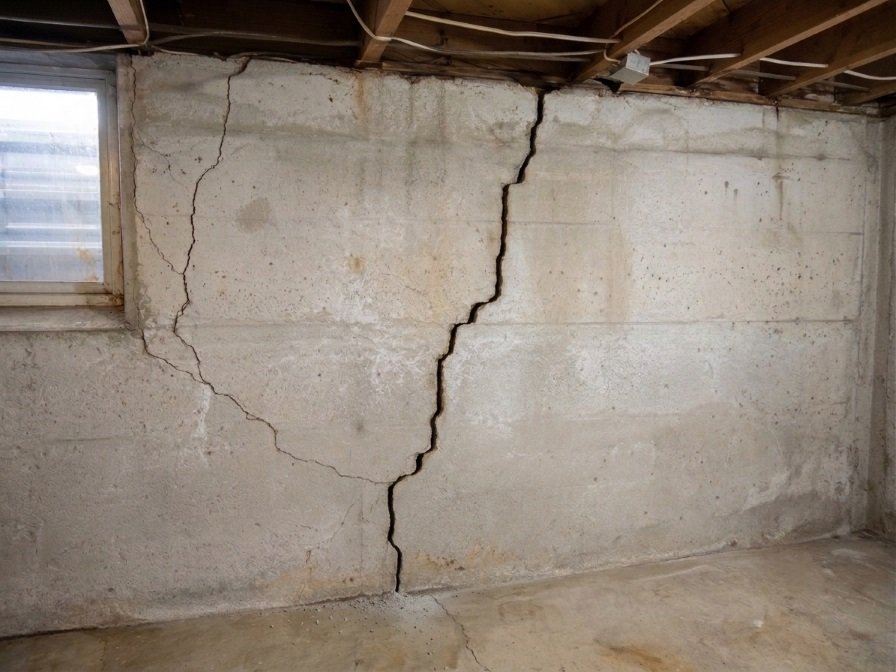
- Foundation movement or cracking. This is common in KC due to our expansive soils.
- Roof age/condition, particularly with the severe storms we’ve seen the last few years. Insurance companies have gotten much stricter about a roof’s age and condition. Many are doing their own inspections before issuing a new policy. A house that’s uninsurable is also unfinanceable.
- Aging HVAC systems. The cost of a new HVAC system has skyrocketed in the last 5 years. Just because a system is old doesn’t mean it needs to be replaced, but if the system is on its last leg, buyers will notice.
- Knob-and-tube or Federal Pacific Stab-lok electrical panels are often flagged by inspectors and can make the property uninsurable.
- Sewer line issues (clay or cast iron, tree root intrusion). Cracks, offsets, and bellies can cause the sewer to clog or fail completely.
- Active wood-destroying insects
How Lenders Can Derail the Deal After Inspection
Even if a buyer is OK with certain defects found during inspections, their lender might not be. And while the lender doesn’t usually see the inspection report, they do send their own appraiser. Part of that appraiser’s job is to look for certain health and safety issues while they’re at the property.
It doesn’t matter if the buyer is “getting a deal,” or is handy and hoping to address issues themselves after closing. Each loan type has its own standards. The following issues could be flagged and either require repair before closing, or a clean bill of health written by a professional.
- Uneven floors or apparent foundation issues
- Peeling paint
- Roof damage
- Missing flooring
- Missing handrails
- Exposed wiring or missing GCFI outlets
- Inoperable or unlockable doors and windows
- No crawl space access
- Seemingly minor issues that are technically “safety concerns”
There are sometimes ways to wrap the cost of repairs into the loan, but there are extra steps involved. Also, waiting until the appraisal stage to get that ball rolling could significantly delay closing.
3 Ways to Respond To Repair Requests
The inspection period generally ends when either the time expires or the buyer sends a formal “Inspection Notice” (whichever is sooner). If the inspection period ends before the buyer sends their notice, they must proceed with the sale as-is. If they do provide timely notice, the Inspection Period ends. If they ask to renegotiate the deal, a 5 day Renegotiation Period begins. During this time, sellers generally have 3 options:
1. Hold Firm
If the issues raised are minor or you believe the buyer is bluffing or unreasonable, you can simply decline requests for repairs or credits. Negotiations can continue throughout the Renegotiation Period. Once the Renegotiation Period expires, negotiations can continue, or either party can cancel. The deal does not move forward until the buyer and seller agree in writing.
How hard you push often comes down to market conditions and your own risk tolerance. If you have backup offers or know the house will re-sell easily, you can afford to hold firm. If this is your only offer after a long stretch on the market, you might want to weigh your options further.
Use this when: the flagged items are truly cosmetic, you believe the buyer is unlikely to walk, or you’re confident in your position if they do.
2. Agree to Renegotiate: Price, Terms, Repairs, or Credits
The buyer submits a Resolution of Unacceptable Conditions request with their Inspection Notice. At this point you have some flexibility in how you respond even if you agree something needs to be addressed:
- Credits over repairs, when your lender and appraisal allow it. A closing credit is faster, avoids disputes over repair quality down the line, and doesn’t require you to hire and supervise contractors on a deadline. The catch: credits are usually capped by loan type and can be affected by appraised value, so this isn’t always available. Also, adding contract verbiage about the house’s defects can cause concern with the lender.
- Price reduction instead of a credit. Lowering the price accomplishes something similar for the buyer without running into those closing-cost caps.
- Repairs only for the true deal breakers (roof, foundation, active pest issues, safety hazards) Some defects are going to be a problem for most / all retail buyers (non-investors), so while addressing these items might sting, it keeps you from only dealing with “fast cash” investor buyers who don’t pay as much as retail buyers. Some contractors will allow you to pay for repairs at closing, which can be nice if you’re short on cash. However, just know that if the sale falls through, you’re still liable for those repair costs.
3. Cancel and Find a New Buyer
Sometimes the ask is unreasonable, or the buyer is using inspection as a way to renegotiate price after a bidding war. If you can’t or won’t meet in the middle, and the Renegotiation Period expires without agreement, either party can walk and the buyer’s earnest money is handled per the contract’s earnest money provisions.
I’ve seen sellers quietly let the renegotiation period expire, knowing they have a better backup offer. When the sellers ultimately cancel the contract, the buyer may regret forcing the renegotiation. However, sellers need to be very confident in their backup offer if they want to play this card.
Legal Protections and Disclosure Obligations For Sellers
A few contract mechanics matter more than people realize:
- Your disclosure obligation doesn’t go away. Even in an as-is sale, Missouri and Kansas law require you to disclose known material defects. “As-is” protects you from repair obligations, but does not protect you from failing to disclose something you knew about. That means any issues found during inspections must be disclosed to future buyers.
- Get everything in writing, tied to the actual inspection reports. Any buyer notice of cancellation or renegotiation has to be accompanied by the full written inspection report(s). If a buyer sends you a vague list without the underlying report, that’s a red flag. Either they didn’t hire an inspector, or they’re cherry picking details to suit a narrative.
- Consider the “In Its Present Condition” Addendum before you list. This form has 3 options for limiting what buyers can ask for: 1) full inspection rights WITH the option to cancel but no renegotiation, 2) full inspection rights with NO option to cancel (for informational purposes only), or 3) a full waiver of inspection rights. Using it sets buyer expectations up front rather than mid-negotiation. Keep in mind it could mean buyers are offering less up front, as they need to account for unknowns. But in a strong seller’s market, buyers sometimes offer these terms with full price offers.
Remember What You’re Really Negotiating For
Hopefully, this information helps you understand how inspection negotiations typically work in Kansas City. Ultimately, how you handle your situation should be guided by your overall goals and the options available to you.
Do you remember why you’re selling in the first place? Keep that in mind when emotions are high and everyone wants to “win” negotiations. It’s easy to lose perspective. At this point, a closed sale at a fair price is worth a lot. It likely beats another six weeks of showings and a fresh round of inspections with someone else.
Justin Rollheiser – Real Estate Agent
REALTOR®
Keller Williams Realty Diamond Partners, Inc.
13671 S Mur-Len St, Olathe, KS 66062
Cell 913-800-7653
Office 913-322-7500
www.JustinRollheiser.com
Comments or Questions?